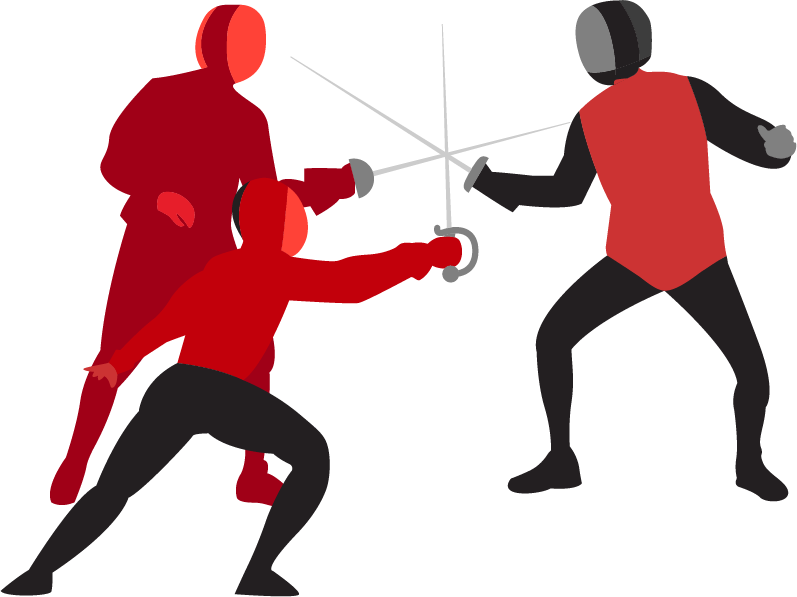
Fencers are our most valuable asset, yet discussions often revolve around them rather than including them. One reason could be that fencers prefer fencing over engaging in politics. However, as advocates, it is our duty to encourage their active participation in these crucial discussions.
Based on my conversations with athletes, here are key points that need attention soon:
Calendar
The current calendar has become more of a political tool than one aligned with sports science. I propose working with athletes to advocate for a calendar that meets the sport’s and athletes’ needs, while also promoting fairness and universality. Future calendars should be recognized as sports seasons, not mere travel schedules resembling catalogues.
Supporting European Fencing Growth:

The latest FIE calendar could lead to significant costs with potentially low quality and attendance. Concentrating tournaments in one region doesn’t necessarily improve accessibility in neighboring areas. It’s evident that affluent global locations often offer better accessibility at lower costs. Europe should expand and enhance existing programs like the U17, U23, and U20 circuits to foster the development of European fencers while managing costs effectively.
Establishing a Genuine European Ranking:
The current ranking system is outdated and prone to significant errors due to hasty decisions. Some fencers’ rankings don’t accurately reflect their abilities, risking the integrity of entire competitions. While the original linear ranking system may have had merit at the advent of computerized competitions, modern advancements demand a dynamic and accurate ranking system.
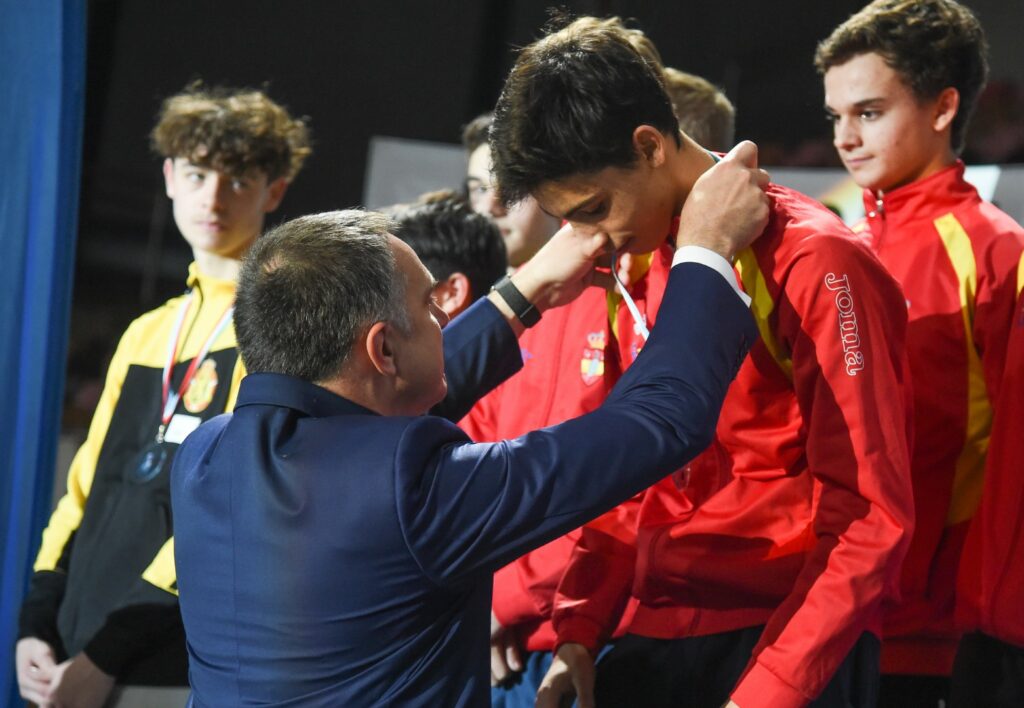
By addressing these issues collaboratively with athletes, I want to ensure that fencing progresses in a manner that respects its athletes and promotes its global appeal.